Published January 7, 2025
The Importance of Home Inspections for Buyers and Sellers
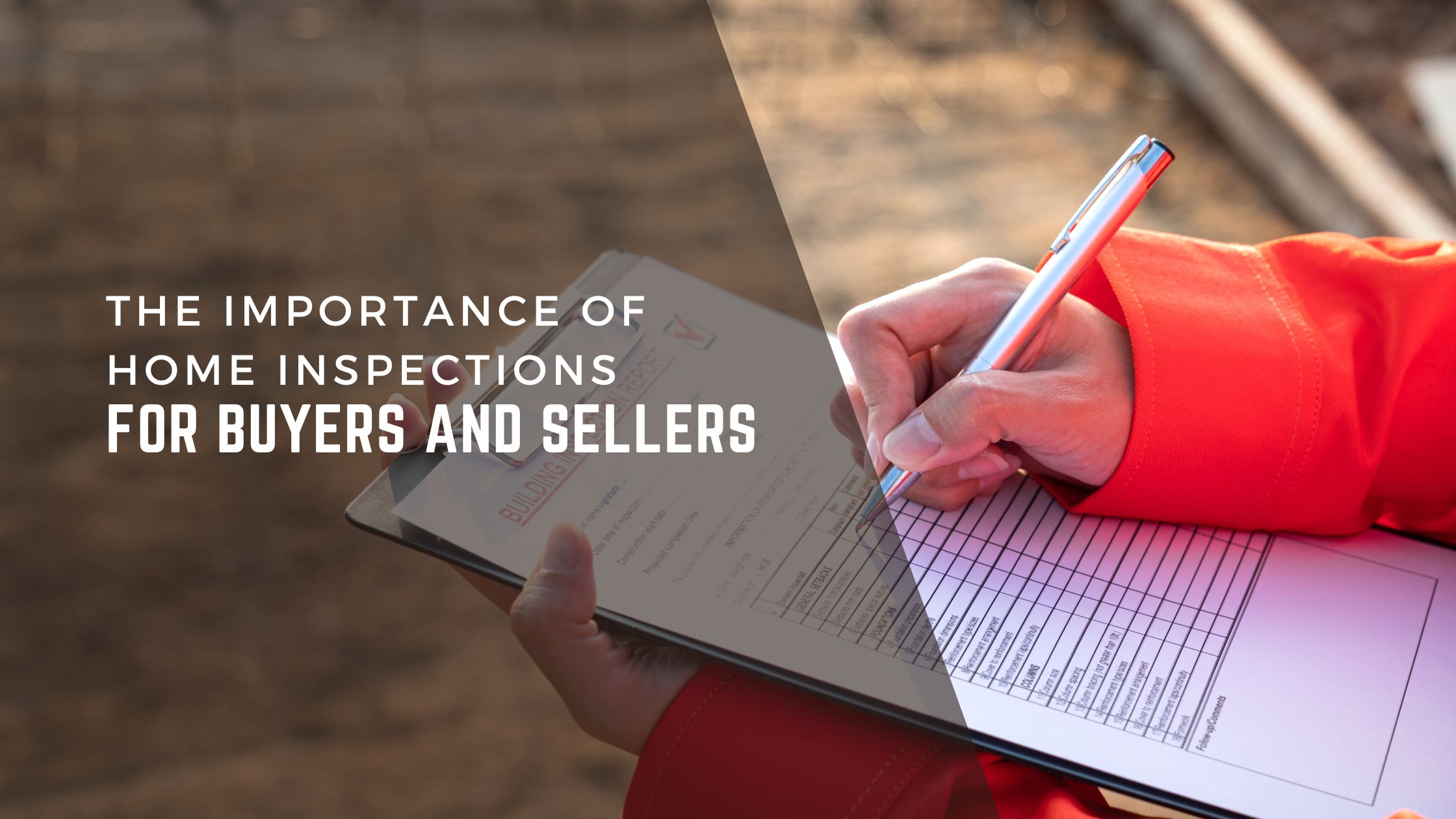
When it comes to buying or selling a home, one crucial step in the process often takes center stage: the home inspection. While it may seem like a standard box to check off, a thorough home inspection can make or break a deal—and for good reason. For both buyers and sellers, understanding the importance of this step is essential to a smooth and successful real estate transaction.
For Buyers: Protecting Your Investment
Purchasing a home is likely one of the largest financial commitments you’ll ever make. A professional home inspection provides peace of mind by uncovering potential issues that could become costly down the line. Here’s how a home inspection benefits buyers:
1. Identifying Hidden Problems
Not all issues are visible during a walkthrough. A home inspector will assess key components such as the roof, foundation, plumbing, electrical systems, and HVAC. This helps identify problems like mold, structural damage, or outdated wiring that could lead to expensive repairs.
2. Negotiation Leverage
If the inspection uncovers issues, buyers can use the findings to negotiate repairs or request a price reduction. This ensures you’re not paying more than what the property is worth.
3. Budget Planning
Knowing the condition of the home helps buyers plan for future maintenance and repairs. For instance, if the roof will need replacement in a few years, you can factor that into your budget.
For Sellers: Building Trust and Confidence
While some sellers may view inspections as an inconvenience, embracing this process can actually work in your favor. Here’s how:
1. Uncover Issues Before Listing
A pre-listing inspection allows sellers to identify and address problems before potential buyers even step foot inside. Proactively making repairs can increase the home’s marketability and reduce the risk of deal-breaking surprises.
2. Enhancing Buyer Confidence
Providing a pre-inspection report signals transparency and shows buyers you’re serious about selling a quality home. This can lead to quicker offers and a smoother negotiation process.
3. Pricing Accuracy
An inspection helps sellers set a realistic asking price. If significant repairs are needed, pricing the home accordingly can attract more interest and avoid overpricing that might deter potential buyers.
Key Areas of a Home Inspection
Whether you’re buying or selling, understanding the areas typically covered in an inspection is helpful. These include:
Foundation and Structural Integrity: Cracks or shifts in the foundation can indicate serious issues.
Roof and Attic: Inspectors look for leaks, wear, and proper ventilation.
Plumbing and Electrical Systems: Outdated or faulty systems can pose safety hazards.
HVAC Systems: Ensuring heating and cooling systems are functional and efficient.
Pest and Mold Detection: Unwanted pests or mold can compromise the home’s safety and value.
Tips for a Successful Home Inspection
Buyers:
Attend the inspection to ask questions and gain insights into the property.
Hire a licensed and experienced home inspector.
Sellers:
Prepare the home by cleaning and ensuring easy access to areas like the attic and basement.
Address minor repairs in advance, such as fixing leaky faucets or replacing broken tiles.
Conclusion
Home inspections are a vital part of the real estate process, providing clarity and confidence for both buyers and sellers. By investing in a thorough inspection, you can avoid unpleasant surprises and ensure a fair and transparent transaction.
Are you ready to navigate your next real estate journey with confidence? Contact me at Melissa Merriman Real Estate for expert guidance on buying or selling your home. Together, we’ll make your experience seamless and successful.
or another way