
Published November 28, 2023
November Maintenance Tips
These are just a few of the tasks that homeowners should consider when preparing their homes for the winter months.
Raking Leaves and Cleaning Gutters
During autumn, when leaves start to fall, it's crucial to keep your yard free of debris. Leaves can accumulate quickly and clog gutters, preventing rainwater from draining off your roof. This can lead to water damage and even leaks in your home. By raking leaves regularly and clearing out gutters, you can ensure that your home is protected from potential water damage during heavy snow or rain. Additionally, it's important to trim any overhanging branches or trees that could fall and damage your roof during a storm. Taking these simple steps can save you from costly repairs in the future.
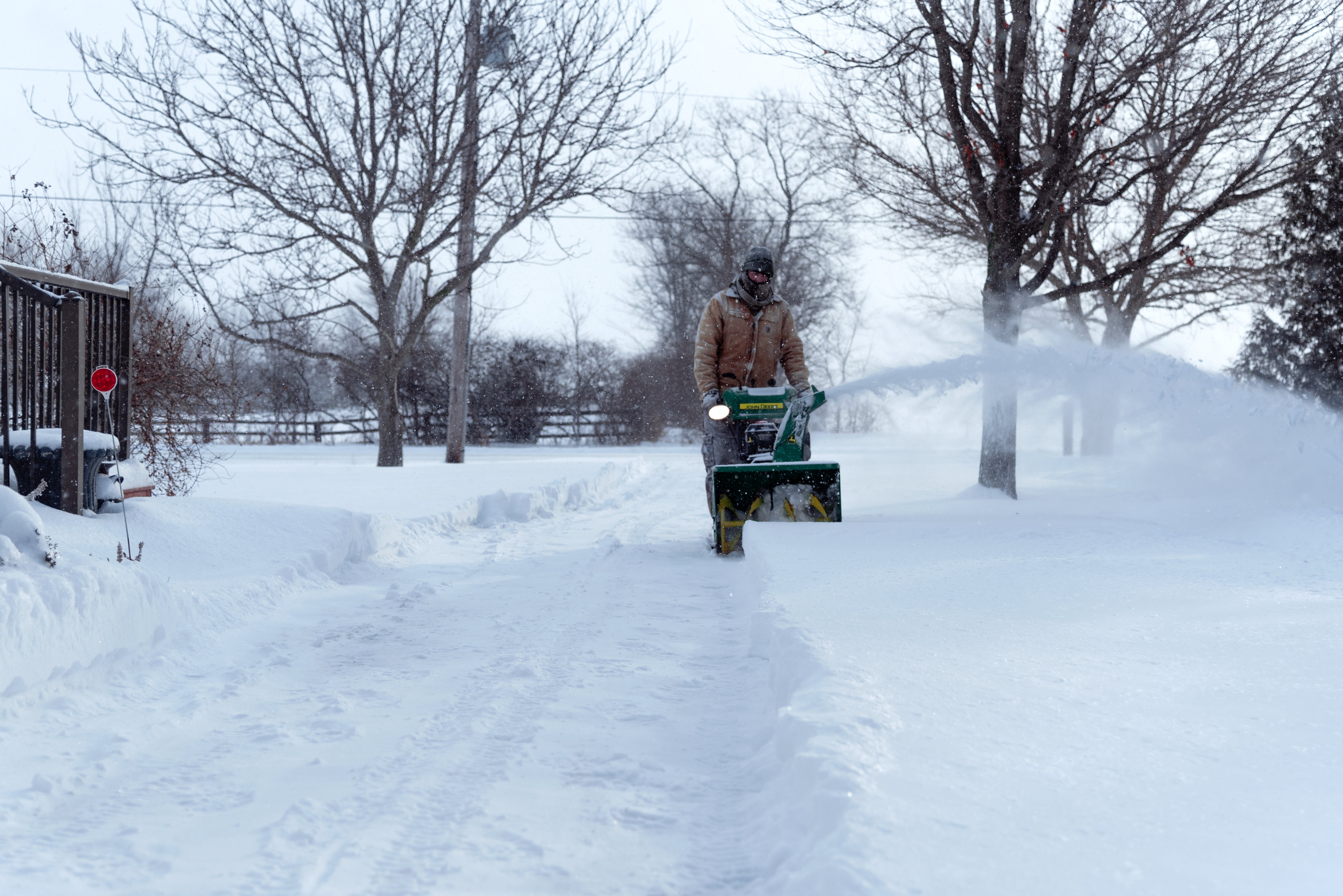
Service Snowblower
Neglecting to service your snowblower can lead to unexpected breakdowns and malfunctions when you need to clear your driveway or sidewalk. It is important to check the oil levels, replace any worn out spark plugs, and inspect the belts and auger for any signs of wear and tear. Additionally, make sure to clean the snowblower thoroughly to remove any debris or rust that may have accumulated over the summer months. By taking the time to properly maintain your snowblower, you can avoid unnecessary stress and frustration during the winter season.
Clean Clothes Dryer Exhaust
A clothes dryer is an essential appliance for most households. However, failure to clean the dryer's exhaust can lead to a dangerous fire hazard. Lint, dust, and other debris can accumulate in the exhaust and restrict airflow, causing the dryer to overheat and potentially catch fire. Therefore, it's crucial to clean your dryer's exhaust at least once a year, or more frequently if you use your dryer regularly. You can do this by disconnecting the dryer from the power source, removing the exhaust hose, and using a brush or vacuum to remove any buildup. By taking this simple step, you can ensure that your dryer is not only functioning efficiently but also safely.
Drain Exterior Hoses
Finally, make sure to drain all exterior hoses and store them indoors to prevent them from freezing and potentially bursting. This is especially important during the winter months when temperatures can drop below freezing. Water left inside the hoses can expand and cause them to crack or burst, leading to costly repairs. To prevent this from happening, simply disconnect the hoses from the outdoor spigots and let them drain completely. Once they are drained, coil them up and store them in a dry, indoor location such as a garage or basement. This will not only protect your hoses from damage, but also ensure that they are ready to use again when the weather warms up. By taking these simple steps, you can extend the life of your hoses and avoid any unnecessary headaches or expenses. Taking these steps can help ensure that your home is prepared for the winter and prevent any potential damage or hazards.
or another way