
Published September 10, 2024
Basics of Foreclosures and Short Sales
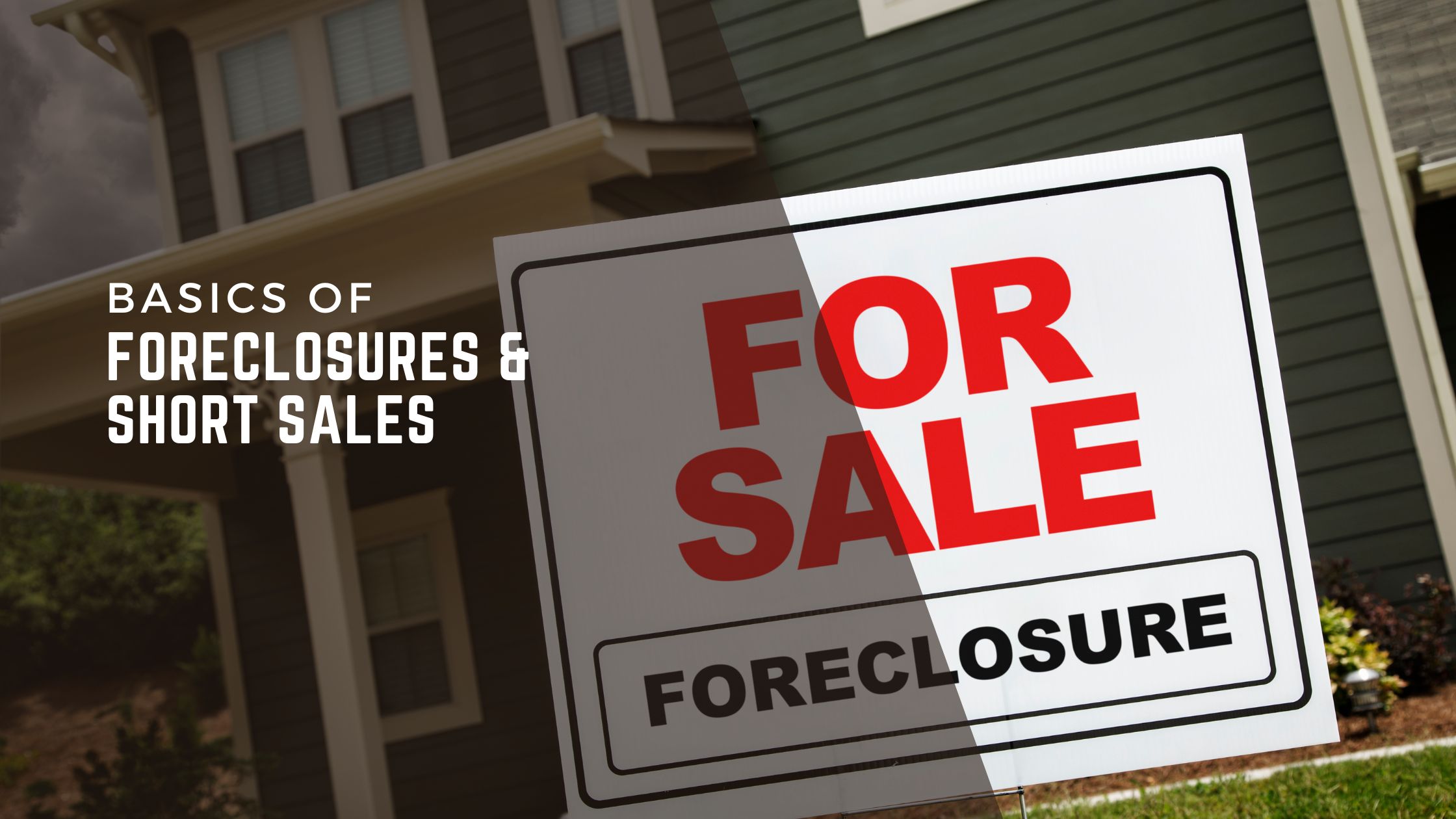
Foreclosures and short sales are both options that arise when homeowners face financial difficulties and are unable to keep up with their mortgage payments.
1. Foreclosures:
When a homeowner defaults on their mortgage payments, the lender has the right to repossess the property through a legal process known as foreclosure. Once the foreclosure process is complete, the lender typically takes ownership of the property and may sell it to recoup their losses.
2. Short Sales:
On the other hand, a short sale occurs when a homeowner sells their property for less than the amount owed on the mortgage, with the lender's approval. Short sales are often pursued as an alternative to foreclosure and can benefit both the homeowner and the lender by avoiding the lengthy and costly foreclosure process.
Navigating the Process
Now that you have a basic understanding of foreclosures and short sales, let's dive into the key things you need to do to navigate these processes successfully.
1. Do Your Homework:
Knowledge is power when it comes to foreclosures and short sales. Take the time to research the market, understand local foreclosure laws and regulations, and familiarize yourself with the foreclosure and short sale process in your area.
2. Get Pre-Approved:
Before diving into the world of foreclosures and short sales, it's essential to get pre-approved for a mortgage. Having a pre-approval letter in hand shows sellers that you're a serious buyer and gives you a competitive edge in the negotiation process.
3. Work with a Real Estate Professional:
Navigating the foreclosure and short sale process can be complex and challenging, so it's crucial to work with a real estate professional who has experience in this area. A knowledgeable agent can help you find properties, navigate the paperwork, negotiate with lenders, and ensure a smooth closing process.
4. Be Patient and Flexible:
Foreclosures and short sales often come with their fair share of challenges and delays, so it's essential to be patient and flexible throughout the process. Be prepared for potential delays in the approval process, unexpected repairs, and other hurdles that may arise along the way.
5. Conduct Due Diligence:
Before making an offer on a foreclosure or short sale property, be sure to conduct thorough due diligence. This may include obtaining a home inspection, reviewing title documents, and researching any liens or encumbrances on the property.
6. Know Your Limits:
While foreclosures and short sales can offer great deals, they also come with risks. Be realistic about your budget, your timeline, and your tolerance for risk. Don't stretch yourself too thin or get in over your head—know your limits and stick to them.
Unlocking Success
Armed with these insider tips and tricks, you're ready to tackle the world of foreclosures and short sales like a seasoned pro. Explore, negotiate, and get ready to score the deal of a lifetime! Contact any member of our team to help you through the process.
or another way